
By Kit Mahoney
Since embarking on my professional journey in data science and analytics after completing graduate school, I’ve had the privilege of working alongside talented engineers, insightful managers, and inspiring leaders who have helped shape my growth in the field. Throughout my career, I have gained valuable experience tackling complex data challenges, optimizing analytical workflows, and contributing to meaningful projects that drive decision-making at various levels. With that in mind, I wanted to offer an inside look at what a typical day looks like for a data scientist, particularly one who contracts primarily with a federal agency. From analyzing large datasets and building predictive models to collaborating with cross-functional teams and navigating the unique challenges of government projects, this role offers a dynamic and rewarding experience that I’m excited to share.
Before Work – The Calm Before the Data Storm: The day kicks off with an essential ritual: water and coffee. As I drink my liquid motivation, I scroll through the latest news and mentally prepare for a day filled with data deep dives and policy-driven initiatives. If I’m feeling ambitious, I might squeeze in a quick workout—or more realistically, debate whether I should.

Early Morning – Prioritization and Planning: The workday starts with a review of emails, Microsoft Teams messages, and evaluation of the latest data requests from federal committees and agency stakeholders. Utilizing our extensive library of web-based queries and dashboards, I check data pipelines for any overnight issues and prepare for the morning stand-up.
Mid-Morning – Data Analysis and Visualization: After a quick team sync, I focus initially on any ad-hoc petitions related to data wrangling and analysis in order to get ahead of any official requests for our unit or shift to dashboard or query development that is currently on our docket. These endeavors can extend into the afternoon depending on the request or can be relatively short if it is business-as-usual.
Lunch – The Midday Recharge: Lunch is a much-needed pause in the day. Depending on the workload, it can be a proper sit-down meal or a frenzied fifteen-minute snack between meetings. Occasionally, I take a break from the numbers and scroll through Instagram while eating—or attempt to answer the age-old question: “How much caffeine is too much caffeine?”.
Afternoon – Stakeholder Engagement and Federal Tasking Follow-Up: Meetings with agency leadership and other contractors from different units drive much of the afternoon. I present insights from recent analyses and respond to requests requiring exploratory analysis of operation effectuality and resource allocation.
Evening – Documentation and Continuous Learning: Before wrapping up the workday, I update documentation with additions to data management practices and continue to optimize queries and dashboards for better performance. When applicable, I also spend time absorbing related news for the day or exploring new features in the platforms we utilize to enhance our agency’s data capabilities before calling it a day.
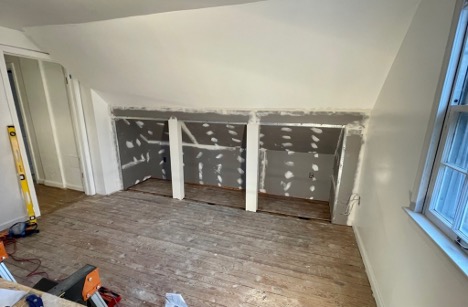
After Work – Data Detox and Downtime: After a full day of data and decision-making, it’s time to unplug. Whether it’s dinner with friends or family, a Netflix binge, or an attempt at drywalling (I’m currently renovating a bedroom), this is the time to recharge. An occasional beer or glass of wine may be involved in theses activities as well.
Overall: Balancing technical work with stakeholder collaboration, the role definitely demands agility and precision to deliver impactful insights for federal decision-making. The combination of real-time data analysis, predictive modeling, and intuitive visualization tools allows agency leaders to make informed decisions efficiently. Beyond technical execution, effective communication with stakeholders is essential to translate complex data into actionable insights. With evolving technologies and policy requirements, continuous learning remains a core aspect of the role, ensuring that analytical approaches remain robust and adaptable to the agency’s dynamic needs. Ultimately, the work of a data scientist in the federal space is not just about processing data but about shaping strategies that drive meaningful government initiatives.