By Patrick McCreesh
Every time you walk into a boardroom, a town hall, or a Zoom session ready to make a change, you are walking into battleground of the brain. You need to win over the brains in front of you to drive progress and, it turns out, the secret isn’t buried in a cutting-edge algorithm or a new productivity app. It’s much older and much more human.
Meet MEL—Memory, Emotion, and Learning.
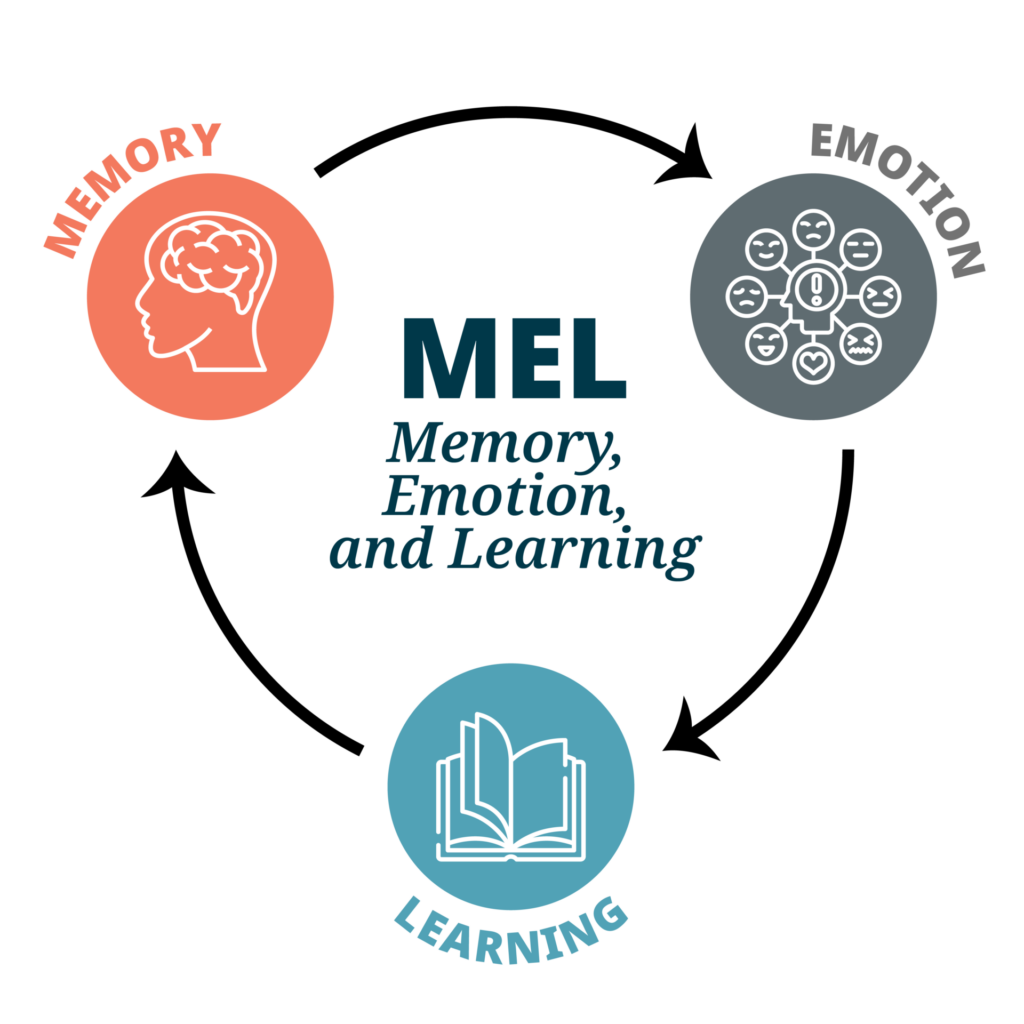
MEL is the biological trifecta that resides in our Limbic System and shapes how people absorb, process, and act on information. It’s not just a clever acronym—it’s the root system under every effort to lead change, adapt culture, or build capability. Yet most change initiatives treat these concepts as side effects rather than the engine.
Let’s start with memory. As described in Stuck and echoed across the research of Grady and McCreesh, memory plays a surprisingly persistent role in organizational behavior. Memory is not just what we remember; it’s what we rely on. When teams are asked to adopt a new way of working, they don’t start from a clean slate. They bring decades of “this is how it’s always been done,” and those memories are attached to relationships, routines, and roles. Whether it’s the comforting scent of the old or the familiar rhythm of an outdated workflow, memory resists change because it serves as a mental safe house.
And safe houses are only necessary when we’re afraid—which brings us to emotion. Emotion is often treated as a side dish in the feast of corporate transformation, but it’s the main course. People don’t resist change because they don’t understand it. They resist it because they feel they’re losing something—an identity, a space, a relationship. A mid-level manager doesn’t oppose the new AI platform he can’t use it. She opposes it because it threatened a lifetime of emotional investment in what the business means to her. This reaction is deeply biological. Attachment—our emotional bond to people and objects—is the emotional glue that holds memory in place and resists new learning.
Which leads us to the final piece: learning. Learning is not the cognitive equivalent of downloading a new software update. It’s more like re-wiring a circuit board. Any employee or executive may be skilled, experienced, and even visionary, but without a fundamental shift in how they learn, they won’t evolve. Learning requires not only absorbing new ideas but replacing old ones. And because those old ideas are tied to memory and emotion, learning often feels like loss.
That’s why change isn’t just a management process—it’s a human one.
And that’s where MEL comes in. If leaders want transformation to stick, they must design experiences that honor memory, respect emotion, and encourage learning. It’s not about brute-forcing a shift in behavior; it’s about creating new attachments—what Grady and McCreesh call “transitional objects”—that allow people to let go without feeling abandoned (next edition).
As Ted Lasso might put it: change doesn’t happen when you make people different. It happens when you help them feel safe enough to try.